
Latter-Day Saint Folklore: The Stories We Tell When the Manual Closes
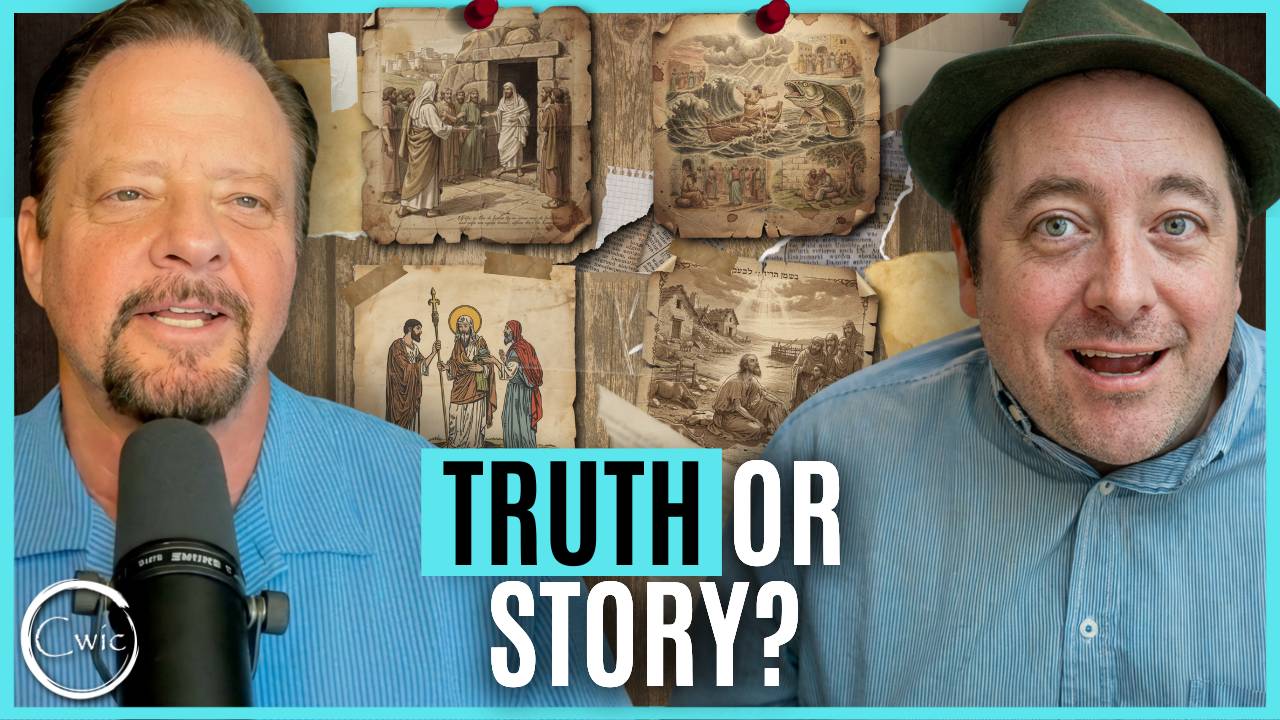
Folklorist Christopher Blythe of Brigham Young University joins me to unpack the unofficial stories that quietly shape Latter-day Saint belief. We talk three Nephites, seer stones, missionary legends, evil spirits, and why some ‘false’ stories still tell real truth. Blythe defines folklore as informal ideas we pass along—what parents tell kids, what missionaries swap in apartments, what members share at campfires or in the celestial room, not the correlated manual. Folklore includes what we do, make, and especially what we say: stories, interpretations, and “off-the-record” teachings. “Official” doctrine is correlated and written; folklore is what happens the second we interpret and repeat it. We often misuse the term “folklore” to mean “false doctrine” or “wives’ tales,” but in academia, it refers to how ideas are transmitted, not to their truth or falsity. Folklore can be deeply sacred—sometimes things we won’t share over the pulpit precisely because they mean so much.
Raw Transcript
This is a fun episode with Latter-day Saint folklorist Christopher Ble. He's an expert at folklore. You know, all the
stories that we get in Latter-day Saint culture, where does it come from? How does it get transferred? Uh what does it
become once it's transferred then to another person? What is true? What is not true? Uh really fun stuff and and
he's got a lot to say on this subject. Really enjoyed this interview. This episode is brought to you by Cardio
Miracle. This really has changed my life in many ways. is my health certainly in very measurable ways. My labs, you know,
the thing you put around your arm and take measurements with Velcro, right? Velcro around your arm and take
measurements. Yeah. Big huge changes there. Uh cardiovascularly. Um it's it's really been a big change
for me. I take it three times a day. Would not go without it. When I am off on all of my travels, I take the travel
packs along with me because I don't want to worry about not having it. It makes a huge difference for me every day in the
way I feel. But again, in my labs, it works. If you want to find out more, go to quickdia.com, cwycia.com,
scroll to the bottom, and you'll get a video of me talking about my experience with taking this product and the
specifics of what it's done. All right, Christopher Blle, here we go.
All right, welcome to Quick Show. My name is Greg Matson and I am your host. On this episode, we bring in Chris
Blight, the assistant professor of folklore at BYU and he runs a YouTube
channel called Angels and Seer Stones that focuses on folklore. Chris, welcome to the show.
Hey, thanks, Greg. All right, so I'm very interested in this. Very, very interested in this. uh
will you start off with just a basic uh explanation of what folklore is and then
bring us inward to Mormon folklore? Absolutely. You know, folklore is a term
we use for like all sorts of different things, but at the end of the day, what folklore is is ideas we pass informally.
And so they often don't have they're not official. their ideas that maybe a
parent passes to a child, kids learn on the playground rather than in class. Um,
informal cultural information, and it can be all sorts of things. It can be things you do, like uh how you should
properly partake of the sacrament, what you're doing there. Um, it can be things you make, like a song or recipes. Um,
but what I'm really interested in, things that you say. And so I'm interested in stories and the way we
pass down uh different experiences across time. And
um when it comes to Latter-day Saint folklore, I uh there are ideas that are kind of
classic. I think this is a folkloruric idea. I know I'm not going to hear this at church. However,
um it's also really LDS. So three Nephite stories. I rarely hear them over
the pulpit. Occasionally I might hear somebody talk about a fast testimony meeting or uh you know uh at when we're
doing Third Nephi. Maybe someone will share a story, but typically we're kind of a little nervous and maybe we even
feel and uh maybe we should kind of police when people tell something that
we don't think is too standard. Um, but when we're around a campfire, when a
dad's talking to his son on a drive, when uh, you know, you take someone to
the temple for the first time and you talk in the celestial room about the meanings, all sorts of those experiences
are very folkloruric and uh, we don't say they're not true. In fact, maybe we think they're more
sacred sometimes that we don't want to share them in certain public settings. Um, and other times as Latter Day
Saints, we use the term folklore to mean the stuff you really shouldn't waste your time with. Um, the sort of thing
that says, "Oh, we that's speculation." And I'm of course, uh, I love speculation and I'm encouraging us to do
so, but that's not alone what folklore means for an academic. It means what we share informally with each other.
Yeah. I mean, it seems that we usually use that in terms of, well, it's almost like a wives tale, right? It's it's something that's told but it's not
necessarily true. It probably not true. That's what I would think of with folklore. That doesn't
mean I don't like it. I mean, especially if I'm going to a movie or reading a book, I I I probably want some folklore
in there. That's fascinating to me. Oh, absolutely. Which is kind of a play on maybe some
truth, right? But maybe there is speculation beyond that or or or or maybe there is
uh um you a a a from you know like the like the uh you call it grapevine or or
telephone right you know from person to person you get a little bit of a different story till at the end of the line the story might be completely
changed but it's still based on what was originally told. Absolutely. Academics would say that's
the key to folklore is that informal transmission that you just described that that grape vine. We use it
sometimes to be like false doctrine or wives tales like you said. Um re really
interesting way of doing that. But at the end of the day, you know,
President Nelson had these religious experiences, right? um we can read about them in from heart
to heart his memoir um he shared them occasionally in general conference
um and so people might have talked about those experiences if you learned about
an experience that President Nelson had but you didn't hear it from him you
heard it from the Sunday school teacher who heard it from a conversation he had at Christmas last year by the time it
gets to you that's it's now folklore and so it's still a real experience President Nelson had. Um, and it'd be
great to have that original count. As a folklorist, I'm kind of interested in in all of those moments of transmission.
And maybe less interested in that sort of verifiable moment of fact that could
appear in a newspaper. Historians spend a lot of time working on that, and I'm I'm of course interested in it. But I
love to see how a Latter-day Saint takes this tidbit of truth and tells it in a
way that that really tells me as a scholar what's important to them, right? And and sometimes it's wild things. But
uh the father of Latter-day Saint folklore was a guy named Bert Wilson or William A. Wilson, brilliant scholar,
and he would often say just because something didn't happen doesn't mean it's not true. And his point wasn't to
say like the Book of Mormon's fiction, you know, he he wasn't he wasn't like that. What he was trying to say was, you
know, every story we tell has this tidbit that tells us truths about the people that tell them. And so that's
what I love to get into in Latter Day Saint folklore. Yeah. Because I mean, you talk about,
you know, how the savior taught, he taught with parables. I mean, were there truth? Was Job a real person? Maybe he
was, you know, is is Lazarus who is going to be go to the bosom of Abraham.
Was he was that story based on someone? It could have been. In fact, I would say there's a good
chance it was, right? Because these parables have been told often times many times before. I you can source a number
of them in Egypt, for example. But it's that is fascinating because what that
parable that is taught is true, right? That that's that's whether there is a
Lazarus or not, whether or not you're talking about there are 10 virgins or not, the story is true.
Absolutely. That's that's exactly right. And at the end of the day, it doesn't really matter for me telling this story
in 2025, it doesn't matter whether Job was a historical figure or Jonah was a
historical figure. um you know it could be important for Moses being a
historical figure obviously the savior you know anyone that we we have history that's important to us but yeah there's
plenty of examples of things where we'd be really comfortable saying hey the truth of this story isn't what's important what well the the facts behind
the story the accuracy but what is that truth why would I use this story to try
to teach about loving other people to my kids in 2025.
Yeah. Do you think that we lack folklore today? Nope. You can't get rid of folklore. It
is just who we are. In fact, there are no members of the church that don't have
folklore. Um if we all interpret our faith. And so even if you're looking at
what's not folklore is like the official manual published for Come Follow Me, that's official. It's it's written it's
written by a bunch of skilled guys who put together the right sources. That's not folklore. But the second I take that
manual and share it and it goes through, you know, we come up with different ways
we might run a Sunday school. The second we uh add anything to it in our
interpretation, it becomes folklore. And so that would include even,
you know, you mentioned you'd want to talk maybe a little bit about polygamy denier later in this, but one of the
things I think about is uh we had this commandment to live plural marriage and
then about 30 years later, we see some individuals talking about how you need
uh three wives. Two is not enough. Well, that was never official doctrine of the church. Hec
Kimell believed it and told it to people. I don't know that Brigham Young never did. And so here is a folk belief.
Maybe they're right for this time. I don't know. But it doesn't matter. It's a folk belief that's being passed word
of mouth and it's an interpretation that Hebrew C. Kimell had that was never
official in the eyes of the church. Yeah. So that's that's kind of interesting because it's
I mean I'm going to tie this into a little bit gospel principles here, but you've you've got a
you've got Jesus Christ as the logos. He's the word, right? And you've got from him
everything kind of emanates out. The word emanates out. You've got you've got prophets, you've got apostles, you've
got state presidents, you've got bishops, you've got members of the church. You know, there's this
the word gets put out and then transferred as you say these different
transferring of of of what is the message going over and over again. There is no question that when you get to the
membership in a lot of this that there's going to be folklore involved with this, right? There there is so and a lot of
times we talk about well what is doctrine and what is cultural? You know what that's that's culturally Mormon so
to speak, right? and we kind of separate it that way. But uh a lot of that does happen and and you
can see how easy that is to happen in that transferring of the word down to
each of us. Yes. And it's really a shame when we try to correlation is such a beautiful
important thing we do in the church when it's done right. Right. We're we're trying to keep each other on the same
page. We're emphasizing certain doctrines that are essential for all of us. But it's really a shame when we want
to police each other over sort of interpretive differences. When I want to
double check, wait, does Greg think exactly like I do on these uh
nonprincipal items. I think we can really take the music out of our faith. We can take out
that personal application. And so folklore, individual interpretation is uh I think it's really essential. And I
mean Yeah. Yeah. I think that there's a flip side of that, the flip side of the coin on that policing, right? Because you've
got when you say policing, you you might have someone who wants to give a
different opinion. Yeah. Right. It's it's matter of just having a different opinion. I think that that's something that we are afraid to do as
Latter Day Saints. That is a cultural problem. I think for us, honestly, you got to break it. Yep. You got to break it. And it's this,
well, politeness is above everything else. And so I'm not going to, you know, as I would say, you know, I'm not going
to break the spiral of silence here, right? So we're going to we're not going to say anything. But but you need that.
I mean, you there is opposition in all things. And if you don't have that opposition, if you don't have context
from other ideas, then you have lost definition. You actually lose
definition. Because when you define something, let's say you put a circle around it, this is what this is. You
can't define it without saying what it's not, right? You have to look at outside the circle too. What what is this not? And
so if you don't have context of what things might be or speculation as you say outside of that circle, you start
that that circle is just going to start expanding, right? And becoming something that where where the significance of it
is is is that make sense to you? Yeah. You're kind of talking about establishing an orthodoxy, right?
There's certain well establishing an orthodoxy but not settling on it. In other in a sense that
you you have to be able to open up ideas. Yes. Right. You can't you know you talk about correlation. You can't just have the
correlation you know verbatim. This is what we are. That that's not that's not
gospel. Yeah. You know so I'm a convert to the church. I grew up Episcopalian converted
when I was a teen. And uh I think I love Latter Day Saint culture. like I I moved
to Utah County. I now married another convert. We got three kids. I try to
learn from Latter-day Saints and grab that culture and bring it to my home. But there are little parts that I think
are the the culture I want to be aware of. And one of those things is what you're hitting on, which is the passive
nature that we've become. I I have this image in my mind of these sister
missionaries and now others singing on Temple Square when they face anti-
Mormons, right? And this is this is this sort of passive loving way of responding
to criticism to the point that we think that sort of response is the only
response we should do. And so when someone pushes back really hard at our critics, all of a sudden we think, "Oh,
you're not allowed to do that." Um, and it's because, yeah, we we want to be passive. It feels better and it's
a cultural thing that's come up. So, yeah, I 100% think you and I should be comfortable digging into all sorts of
things and making sure I allow I don't I
don't love the term big tent Mormonism. I don't use Mormonism, but uh I do think
I need to make sure that I don't alienate people by presenting my
individual ideas, my folklore as official at any given point. Right? I want to make sure that I see myself as a
person who's learning from other Latter-day Saints. And folklore gives us a great lens to really see both there's
this official realm that we all share. There's these principles that are revealed, but there's also this
interpretation occurring from individuals and families. And so the old model of saying this is doctrine and
this is preference really gets emperence uh emphasized really well. Give me an example of something I mean
why did you get involved with this? Why why why folklore for you? And and give me an example of something that you
really dug down deep into. You know maybe it's historical and you know what is the DNA
of this? Why do we believe this today? Is there any examples? Oh, I we could do tons there. I uh
joined the church when I was 13, almost 14, and I found out that my family was
uh two generations back. My grandpa comes over there after he says, "Hey, my
mom was Mormon." and he takes me on a trip from Virginia to Independence, Missouri, where he introduces me to his
aunt who's an RLDS historian. And this opened my mind up to this, oh
my gosh, I found this like the true church. And there's all these strange
breakoffs, tiny groups out there, you know, what is this history like? And so I started
uh interviewing people as you know a young college student really as I really dug into it. And I remember interviewing
a old I mean he was an old polygamist and writing down his stories and I just
thought there is something so exciting to to meet what we call as folklor we
call tradition bearsers. someone who has uh learned stories and is excited to
pass those on to people. And so I'd say that's probably the first time I I
remember thinking, gosh, I think I want to be a storyteller. And I think that's the the moment that I
realized there was something about folklore. But later on in college, I I went on my mission. I had already
graduated from Texas&M before I left. And I went back to get a second bachelor's, which was a really quick
thing. when they announced the first Mormon studies chair, which was Philip Barlo at Utah State. So I I became his
first, you know, cohort of graduate students there and spent some time with them beforehand and the second
bachelor's and um you know, eager to study the church and really at USU there
were two cool things going on. There was this Mormon studies and there was this incredible folklore program. And so I
ran into these folklorists and they were none of them were LDS, but they were giving classes like local supernatural
history and they take you out to the graveyard and talk to you about these different symbols on the graves and what it meant to pioneers. And um gosh, I
thought that was so much more interesting than the sort of political events and institutional
decisions that was was my history classes, right? what were people doing in their
actual culture and their actual lives on the ground? And so it it really pulled me in that way.
When I think about something I've dug a great deal into, I would probably say,
"Oh, there's so many things we could talk about." Do you know I'm really interested in
experiences, stories related to Joseph Smith after his death. And so whether
those are stories about what happened to his body, whether those are stories about the martyrdom canes that were
alleged to be healing objects um you know made from the boards that he was
initially um laid in state in his coffin boards um whether it's apparitions of
Joseph Smith that appeared to individuals from Nauvoo all the way really to the present. um all of those I
really love and it's it's a field of study that sometimes people call hagography
um the study of saints right of miracles and um I love charting those but it
really reminds me um of how much the founding prophet still
means to us so much later and people really do have these experiences and and
when they're writing their memoirs a a dream of Joseph Smith might be one of four really beautiful experiences
they've had in their lives that they want to make sure they preserve for posterity. And um so I I love things like that.
Apparition lore is something I uh I think there's nothing more interested
interesting in them. I just recently published an article on stories of
Latter-day Saints who have just participated in dressing
someone in their temple robes before burial and then that individual returns
to them and says, "You did it wrong. Dig me back up and change the way my hats
face." Interesting. You know, all sorts of things like that. So, I love it. And I don't know if those are factually true. I know it tells us
something about our culture like we want to serve our dead. What uh what about the founding of the
Church of Jesus Christ of Latter-day Saints? I mean, do you see this as some certainly scholars and certainly critics
of the church would come in and say, "Well, this is all folklore. I mean, he's off with a divining rod and and
he's, you know, looking for treasure." And, you know, to me, there's some fascination to that, right? I can look
at that and say, "Okay, there's this idea of a rigid prophet and and uh he's getting downloaded revelation constantly
that's like a hard drive." Uh but I don't know, there's something about this
idea of speculative metaphysical activity that is at least a little bit
interesting to me. I mean I'm not I'm not going into anything strange here I don't think but it's there is a little
bit of that in the founding of the church and and even in the even in the scriptures I mean what is it section
nine this is uh so our heavenly father tells
this boy to avoid every official institution like stay away from these
churches that's the that's the nonfolklore stay away from these institutions because they've set up
these ideas they're actually going to be really bad for for you. Yeah, creeds don't do it. And so, Joseph
builds relationships with people who are functioning outside of institutions.
They live in the world of folklore. And that does include some really cool
interesting things like sear stones and divining rods and healing by herbs and
and things that we would associate with with folklore. And Heavenly Father is
able to use that world that believes in angels and has some Catholic elements
that actually aren't available in Joseph's culture at all. um such as saints and uh um yeah uh uh we don't
want to call them spells but sort of sort of magical practices if we want to use that language and that provides a
worldview where Joseph um I mean that worldview exists and then our prophet is
communing with angels and trusting angels to bring forth ancient records
Um, for me, I think Heavenly Father used this whole system uh to really make it possible for Joseph
Smith to crack a sort of false traditions that were perpetuated in
Protestantism and make it so the restoration is possible. Well, yeah, it seems, you know, because
we know how this all works, right? He he has to earn it. Yeah. Right. He he has to earn it by his
belief. This is what you get in in First Nephi 11 when Nephi gets his angelic visitation and wants to learn what the
tree is all about, what the tree that his father saw. And he and you know the angel has to ask him first, do you
believe? Do you believe in this? So it seems like there has to be a okay, I'm going to pull you out of the institutions, which is something I've
never thought about before. I'm going to pull you out of the institutions. I'm going to let your mind be a little free. Yeah, there might be some places you
shouldn't be going, but I'm going to free your mind and open it up to actually the ability to believe in some
of these things that institutionally they're unacceptable. Right. Yeah.
That that's a very interesting point of view, I think, isn't it? And so, Joseph has these experiences that come from that world
and then he begins to pull back parts and say, "Hey, maybe we don't need this, maybe we don't need that." Um, Joseph
does tell us we should all have our own sear stones. So, Greg, if uh if you have
a revelation that leads you to a sear stone, you should probably pick up that stone and uh not talk to other people
about it. But that's still really really cool. Um I don't think I'd be talking to anyone about that.
But he always he always wanted to democratize everything. Isn't that interesting? I mean, everything was you should be seeing the father and the son.
You should have your own sear stone. You should be able to do you know it's always that It was interesting to me. It
was it's the opposite of what a cult leader would be. It's like no, I have all the power. I have these abilities.
Listen to me. You know, it was it was always, no, you you need to gather all this from even even those around him
immediately. You need to learn how to translate. You need to learn all of these gifts, right?
It's the opposite of that Methodist minister who tells him to, you know, these things are of the devil. Keep your
mouth shut. Joseph really is uh very open and occasionally I mean we have the
Kirtland era where people are going to extremes um and so Joseph will say hey
let's stop speaking the gift of tongues but then Brigham Young shows up you know six months later and he has the gift of
tongues fall upon him and Joseph doesn't freak out like people expect he says
guys that was real that was the Adamic language right so yeah I love that about Joseph he is
not uh he's not scared. He wants to teach people discernment, but he's his
real goal is to get us in touch with this world that he's has access to.
All right. So, I want to move to something else here. You've got you've got internal Latter-day Saint folklore,
but there's also external Latter-day Saint folklore from those outside of the church. There is,
which which you you get a much larger gap, right, of of what do they believe? what what what do they tell? What do
they say? What do they worship? Everything, right? Yeah. So, those those two worlds meet
oftentimes culturally in in places like the media. And and so that's always fascinating for
us to see, right? How are they going to treat this? Uh, you know, maybe some of these things that I don't believe are
true actually are true, but they're bringing them up. And of course, the opposite is usually true, right? Where
there's they're saying things that we believe that that just aren't true or that are part of a c culture that aren't true. So, you have The Secret Lives of Mormon
Wives, right? And you've got movies, and there's a couple of them that came out recently. I'd love to hear your feedback
on these. There was movie called Heretic. And uh I actually really enjoyed the
movie. I I love the movie, in fact, but uh what what was your your your thought on on Heretic and how uh Mormon
folklore was treated from external sources? You know, uh, Christine and I did an
episode on this in Angels and Sears Stones on Heretic, and we said, the book, the movie hadn't come out yet. We
said, obviously, we know how the movie is going to continue because there's good, strong lore about what happens
when two sister missionaries run into a serial killer. And Greg, you know the lore, right? They
stand there at the door, they knock. The serial killer is thinking, well, maybe I'm going to take these girls. And
instead, he gets scared. And the sisters leave. They go maybe to the grocery store and they see a wanted sign there
and the wanted sign says, you know, this guy's picture and he says, you know, the police are looking for him
and then never tells us how we know this part of the story. The police arrest the guy and he asked him, why didn't you get
those sister missionaries and the guy says, "Well, I was going to until I saw the three big Native
American dudes behind him." And uh so we know that three Nephites protect our
sister missionaries when they're out there in danger like that. Um but of course they didn't have access to that
story. Um in heretic I think for the most part they're using
Latter-day Saints as really just a I mean you could have inserted any sort
of religious other um to fit those roles for the most part. Mhm. Um there's Maxine Hanks told me that it
was actually an adaptation of an old fairy tale called Blue Beard.
And Blue Beard is a guy who has a room full of women that he's murdered. And
his he's married to a woman and says, "Never check this room." And that woman when he leaves town goes in this room
and she discovers he's this terrible murderer. Um really gruesome fairy tale. Yeah. And um and so she thinks that
plays off the blueberry candle he has. I thought, "Oh, that interesting." But people are weaving all sorts of
folklore into their stories. And often we are kind of just stereotypes. And so in this case, we have I just think that
opening scene where the sister missionaries are talking about sex in a
way that I don't talk about sex now and I can't imagine I talk like that on my mission.
Right. Sure. Um, so but but I think they're playing with the idea of this sort of
edgy Latter-day Saint that feels held down by their religion um as part of the
stereotype. And usually we see the other, which is the cheesy, which is
more true, the cheesy Latter-day Saint that's overly wholesome and maybe we shouldn't trust them because of their
overly wholesomeness. Right. Right. Yeah. Yeah. I I thought I thought in it the
thing that I liked about it was at least one of the sister missionaries had did
have a strength, right? She actually had the grit to do what she needed to do. I
mean, spoiler here, right? To to get away from the guy and and take care of him, right? And and I thought I just
liked that. I thought that that was very different from what the way people are, you know, Latter Day Saints are usually
portrayed. I that is true. um to have the Latter-day Saint being the cunning
figure is is important. We shouldn't downplay that even in our own fiction.
Sometimes it's the gentile that comes out to save us. Uh your audience should all read the book
Folk of the Fringe by Orson Scott Card. It is phenomenal. It is a when we think
about Latter Day Saint folklore being brought into literature by Latterday Saints, Folk of the Fringe is our best
example. It is a book set in the 1980s as if
the drums bopped, the bombs dropped from Russia, and
there's a holocaust against Mormons in the United States, and Latter-day Saints have to flee to modern desireette. And
all along the way, Latter-day Saint folklore is inserted into those stories.
But, uh, often the gentile character is the one that saves these naive Latter-day Saints that really can't make
it in the world of the apocalypse, right? Um, so it's nice to see when we're cunning,
like the like Cyrus with the Jews. Yeah. It's exactly like that. Yeah. Yeah. Yeah. Uh, what about Angel?
Barrett Bergen put together a short film of of of a small polygamous family out
in the middle of Utah somewhere uh that I found very interesting where
he he incorporates it's not just folklore I I mean there's folklore
certainly built around it but this is in the doctrine of covenants everything from how to greet an angel
and to find out what kind of an angel you have to the polygamy story that that they
have uh it's And there's a little bit of uh uh you know metaphysical elements
here even beyond the angel that are inserted in this. What what did you think of that? I I love first of all I love Jessica and
Barrett Bergen. I think they are so smart. I love Selene Anderson who participates in the film as well.
Yes. Um we did a showing of the angel. We might have been their second or third
showing. you know, we rented out a hall in and Springville and uh yeah, I think
it's very rooted. It's it plays off of what we call folklore tropes. Um and so
the isolation, the idea of this strange religious group, in this case, my religious group that uh that you're not
sure whether they're being manipulated or supernatural beings are taking advantage of them. Are they trusting
sort of pagan gods? All those themes are there, but I think uh the handshake test
that's part of it is a great part of Latter-day Saint folklore. It's it's in
our scriptures, but uh when do you teach it? Um I tell you, I teach it to my kids
when I teach them how to raise their hand to the swear and get rid of demons, right? um if such an event were ever to occur
to them, I do think uh knowing a few tools in your toolkit could be useful
for that. And so um and it's exciting to do at FHE. So very folkloruric idea.
They uh this story, yeah, it's it's one folklore theme on
the other. even the relationship between these two wives where we're supposed to know the first wife is the sort of
doubting one and the second wife is the the believing one initially. Um the
blood atonement ideas there all folklore. I loved it. My stu I I haven't shown it
to my students at BYU because I know it's not for everyone. If they didn't
have the little bit of blood scene, I'd actually feel much more comfortable with the movie. Right. Right.
Um, but I I recommend I always give them a link to where they can go watch it on their own and Right.
Um, but yeah, brilliant. That's what I want to see. I got a call from a
Hollywood producer right after Heretic came out and he was a guy he had worked
with I might Shyamalan. Yeah.
um as a producer on another film just recently before. I won't give other hints of who he was, but he called me
and he wanted to talk about his grandmother was LDS and he wanted to talk about a LDS story where it was a
woman who was actually the hero and he felt like heretic didn't go far enough with that and he wanted to suggest
perhaps a Latter-day Saint female exorcist in these horror films. The
great thing about horror is that we're actually prone to be okay with belief
and like real supernatural in those settings where we wouldn't we
wouldn't in drama comedy you know so on right and so even though many of us are intimidated by horror films these are
the people that are actually you know Catholics are getting represented and it's their universe that's you know
there's demons there's a god that's going to save them there's a priesthood that works and so latter saints should
taking advantage of that. We should be jumping for every moment where we can actually be represented as a real
believing and cunning figure. Yeah. Yeah. I I agree. I hope there's more of those types of stories. I I And
again, it didn't even have to be It was very Mormon, right, in the sense of the things that were inserted in there, the
picture of the first vision and obviously the polygamy family and the setting, but it could have been any religion where where that could have
happened. I see the same thing with Truth and Treason, uh, which is a more of a historical account,
but it's it it was not a Latter Day Saint movie,
right? And I like that. It's like this is just this doesn't have to be some kind of apologist movie in a sense, you
know, telling our narrative on this. It was it was simply this is a Latter-day Saint person. This is a human story.
And and I I I like seeing that. I I think that's right. It is a we should be
using Latter Day Saint characters and um making them and Barrett's so good at
this. Jessica's so good at this. Uh taking that LDS character and finding out that universal appeal. We're human
beings like everyone else. The father of Latter-day Saint folklore I mentioned before, Bert Wilson, would
say that when when he's studying missionary stories, they're so specific, but they're actually about the human
condition. And so we need to realize that our specific unique cultural ideas
have broad appeal. We just we just need to actually own them. Yeah. All right. Another place I want to
go to on this is right what you said the missionary stories, right? You talk about being immersed
into folklore. When you go on your mission, you're going to be immersed into folklore from all the hearsay of
all these things from so and so was saved. He was burned everywhere on his body except where his garments were. And
there's the story, I don't know if there's any I I doubt it, but maybe there is some truth to it where there's
an apostle that's sitting down with MC Jagger in a plane and and he's saying, "Yeah, I'm told by the devil that I'm
just supposed to put these songs together or, you know, all of these things that are just like, okay, wait a minute, wait a minute here. I I don't do
you have a source for this information, you know, but there's and and just missionary stories, period, you know, of
miracles and different things." And I'm not trying to downplay miracles or or or anything that would be outside the realm
of our our scientific brains, but it because I do believe in those things and I need to believe in those things. I
think we all do. But but obviously those things get stretched a little bit and and that folklore really
really really settles in a place where you are around, you know, 18 to 21 year olds constantly. you know, when it comes
to whether things really happen, I often tell people that I have a full testimony of this world we're talking about. Um,
and I 100% believe three fights could show up and get you gas when you run out
of gas. And I 100% think that Cain could be wandering in the wilderness. And I
100% think that uh, you know, the random guy in my ward could have met
Jesus at the temple. You know, whatever. I believe all those things are possible, but I don't have a testimony in any of
them and certainly not a testimony that I would bear of any of these individual stories. Um,
I noticed that when I was on my mission, I I believed in a religion that was much
more vibrant than the religion of those whose wards I was serving in. You know, they were practical. They were moms and
dads. They were working jobs. They weren't expecting a miracle to happen any moment. And I'm immersed in
this. I'm reading the Doctrine of Covenants where that world is the world they're living in. Um,
as a Latter-day Saint missionary gosh, it is the moment where we really
become Latter-day Saints in many ways. And so, we're being initiated into that
culture and we're learning stories. We're telling stories. And for me, um, I
loved it. Like I still think, you know, as a folklorist, I love teaching classes
at BYU where I can say, "Today we're doing missionary lore." And I don't plan
any stories. I just say, "Tell me what's going around today." And these students
immediately know, "Well, let me tell you about the sleep paralysis my cousin had
on their mission." or let me tell you about the sister missionaries who tried to pour water in their gas tank to get
the car to run or you know fill in the blank and they're they're so powerful. I
mean uh these stories resonate with us and sometimes they're scary, sometimes
they're miraculous and hopeful. Um, but they all help these young kids really
know that they're doing something incredibly important, that there's an invisible world that they're interacting
with. Yeah. I mean, that's that's what we believe. They're asking people to talk to a god who's going to give those
individuals a witness of a historic book that for everybody that doesn't have that witness seems impossible.
um they are going to pray for the sick and sometimes the sick are going to be healed and they are going to do these
they're going to participate in miracles and Jesus said greater miracles we're going to perform right and so that
folklore assures them of that reality that can come I love it missionary
folklore um you want to hear some stories give me a story I would love to hear one
you know when I was a missionary I just did a video on this not too long ago I was told a story that really disturbed
me. And the story was missionary lure. When you get to your mission, usually you hear new stories
and it all happened right before you got out, right? It's the last transfer.
There was this elder this happened to uh things are always more exciting before you got there. And so
this story was an elder had been sent home not too long ago and
this elder had become obsessed on his mission. He had come to believe that his
grandma back home was the head of the Gadian robbers.
Um mental health stuff's going on and he's telling his companion, "Hey, you got to pray about this. You need to know
that my grandma is the head of the Gadian robbers and this conspiracy is occurring today." And so the companion
says, you know, "No way. I'm not going to do that." that and finally he convince his you know he's convinced and
he goes to his bedroom and he kneels down and he prays and when he's praying
to know whether his companion uh grandma is the head of the the Gadian robbers he
has this vision and the vision is his companion standing above him with a
knife about to stab him and right then he gets scared he jumps back and his
companion really is hair. And so, um, it's a a story of warning. It plays off
of this concern we have. I mean, we're put as companions, we're put missionaries. We don't know. In fact,
that's part of what heretic does, too, right? What is it like, who do we trust in this world, this modern world, where
I'm intersecting with all these people away from home? um what is it like when
your 20-year-old companion is going through me mental struggles. It also plays on old tropes and folklore. So, uh
you know, an earlier era had stories of missionaries who would play with the Ouija board. One companion would play
with the Ouija board, the other companion said, "No way." He goes to the bedroom and praise and then usually he's
like thrown AC across the room by evil spirits. Sometimes dies in these stories. Um, and so it's praying with
the it's playing with the idea of the sort of unwise prayer where you're kneeling down to pray about something
you really shouldn't be praying about. You know, his grandma's not the head of the Gadget and Robert's elder. Come on.
Um, I had that story told to me as a missionary and I remember feeling just
uh like kind of depressed. And so I uh
uh I I told my companion I was really
like it's it was rough for me because I thought gosh maybe something depressing like that could happen rather than the
great miracles I hear about. And he told me another story and you hear these sort
of just sweet stories on the missionary and on missions or in early morning seminary. The story he told me was an
elder who was having struggles on his mission, like doubting himself and um
and his mission president brought him in front of this zone conference. All the missionaries gathered and he said,
"Eldder, I know you're struggling. You're doubting yourself." Like, "But what do you see here?" And then the elder looks out on this group of
20-year-olds and says has this moment of like assurance and he says, "Oh my gosh,
president, I I I see strength." And the president says, "Yeah, that's right." And that elder's changed. And he then
has confidence. And so sometimes we tell stories like that to like lift each other, right?
Sure. um uh a experience that
elders are constantly talking about bad elders and uh sort of I mean if there's two
tropes that show up in stories about missions are the sort of apostate missionary elder
and the really stupid sister missionary and um both of them are just the dynamic
of 20-year-old kids working together and judging each other. But
um one story that all my students still want to tell and it's been going around since at least the 1960s
is the story of the 12 apostates. These are missionaries who have organized a
secret combination. There's 12 of them. And the things they do is usually a list
of rules they're meant to break. They have to break all the White Handbook rules in order to become part of the
group. And then they sign their name in a book, you know, the black book. This
goes back to Salem witch trials, right? You get your name signed in this covenant. Um, and usually they have to
do um maybe they have to travel home and take a picture with a newspaper in front
of their house or they have to have a girlfriend or, you know, whatever it is. Um, and then in the end of the story
there is a visiting general authority and it's usually Greg. Do you know who
it usually is? I don't know. It is usually in this era it is usually
Elder Holland. Huh? And Elder Holland comes out there.
Hey Greg, can you edit this one part? Yeah. Let me shut this door.
I was thinking there was an elder back behind you there. Yeah, that's right. Um, Elder Holland is
uh nowadays he said he goes out to the zone conference and he looks out on this
group of elders and he starts pointing people out and organizing the group and he puts certain elders to the left and
certain elders in the middle and certain elders to the right and he turns to the elders on the right and he says,
"Guys, pack your bags. You're not worthy to be here. I know what you've done." Sometimes he knows this by discernment.
Sometimes he knows this because these elders have done something to their garments like put a little bead in the
arm so they can feel it. You know, there needs to be a sign. Um, other times they've dyed their garments black and
makes it really obvious. Um, and so he sends those guys home. He turns the guys
to the left and he says, "You have no idea what's going on here, so you're good to go, elders. Why don't you head
back to work?" And then he turns to the guys in the middle and he says, "You guys know what's going on, but you
didn't, you know, you didn't participate. So you got a choice. You either straighten up or you need to go
home, too." And so some of these stories call Elder. Sounds like a war in heaven.
Well, yeah. It's playing on something, right? They call it Hurricane Holland.
So I wrote Elder Holland a fan letter last. Don't do this, guys. But I wrote
him a fan letter last uh the general conference after he had his near-death
experience where it seemed very obvious he was telling us he was going to die, right? And so I said, "All right, well, I need this guy. I know I love him." And so I
just wrote him this letter and said, you know, I'm so grateful for what you've done. And it was crazy because his
secretary called and said, "Hey, um, Professor Ble, why don't you come down to the office building? Elder Holland
wants to talk to you." And so we we got to go in there. And I brought my wife and my wife told Elder Holland this
story. She used to be a folklore archavist here and she wanted to do a exhibit on Elder Holland stories and of
course BYU squashed that and said no we're not doing Hurricane Holland at BYU. And so she told him the story and
Elder Holland thought it was very very funny and his response was that has never happened. I have never uh gone
into a room and sent random missionaries home. Uh, and then he said, "But I sure have dented some pulpits in my day." So
I thought it was very fun. But all sorts of great stories about missions and the ones missionaries tell
each other. Yeah. Well, you say you like stories. I'll give you a real short one on mine. Oh, tell me. Was I I I went to Mexico City and
Cool. We were on a Pday and we went to this area called Las Corturas. It's three
cultures. So it's it's an Aztec ruins. It's got a
a Catholic colonial uh church and then there's a modern building right next to
it. And so it's just three different ages there in Mexico. And so I'm there
with with three other elders and I walked down this walkway toward this
Aztec area and went into kind of probably further than I should have and I went into this area that was this kind
of a courtyard area, very small courtyard area. And I had the worst feeling you can
imagine. I mean, unbelievably horrible, horrible feeling that I could not explain to anyone perfectly without them
actually having felt it themselves. And and I honestly I turned and I ran. I
ran back to where the other elders were and and nobody really said anything. And then I said uh to one of the elders
that wasn't aware that I had gone down there, I said, "Hey, I want you to walk down over there. Just walk down over
there for me." M. And so he he walks down and I said, you know, just turn right in there and and and walk in. And he turns out and the
next thing I know he's running back at me, right? So So he had and he had felt
the same thing I felt. I have no idea what that is. Can't explain it, but it was, you know, I think in these
you talk about these horror shows and and whatnot. I think you need to feel a little bit of that sometimes to understand the dark from the light,
right? Yeah. and and and that's I think that's important. You've got to know the
opposition sometimes. It's not that you play with it. It's not that you seek it, right? But
again, that definition outside of the circle of what something's not. You've got to know it's there sometimes. So
anyway, this is exactly like Moroni showing Joseph Smith good and evil, right? The
vision of evil spirits he had. But what you remind me of is Hebrew C. Kimell's
experience in Chatburn um in England. This is Hebrew Kimble had
evil spirits experiences. But this is interesting. He goes on a day trip and he goes through this town called Chapurn
and he just feels like such intense spirit and everybody wants to talk about the gospel and he has this wonderful day
and so he has this feeling and so he gets back and he talks to Joseph you know years later when he gets back from
England and says I this is what happened in chapurn and that's when Joseph tells him you know well you felt that way
because this is where ancient prophets used to walk um what a fun thing right and So the
question is how do you interpret your experience? Is it the residue of something historical? Is it evil spirits
there? Is it I don't know. I would say the former is more along the lines of what I felt.
Yeah. Right. Something really bad happened there. But you know, does a place really hold that? I I don't know.
Joseph thought it did, but I I I felt it and so did somebody else. And it was completely independent.
And it's, you know, when when the saints got to Nauvoo, um, I've written an article on this,
there's a lot of ghost stories associated with the houses that were already standing there.
And one story, Joseph tells a guy to leave the house um because bad things
had happened there and that if he didn't, he would die. Um, so yeah, early
Latter-day Saints believed that previous events can make something uh cursed and
they believed that evil spirits might stick around the places where they lived.
Yeah, that's interesting. So, let's finish up on this and and and and integrate folklore here to the the
current movement of of polygamy denial. Sure. Right. Is that is polygamy denial just a brand new folklore that is coming about
and and initiated by, you know, the opening up of the Joseph Smith papers
and and all of these documents that people have access to. And so you have a lot of lay scholars that are putting together things and maybe cherrypicking
a little bit. And um is that just a brand new thing or or or is there you
know what what is the collision here? because there seems to be two different folklores from a an more of an orthodox Latter-day
Saint approach to something that uh has gained a little steam lately.
So, one of the things in folklore we do is we trace things across time. Where's a tradition begin?
And so, in some ways, this is hearkening back to RLDS claims, you know, not the
original RLDS claims where people knew Joseph practiced polygamy and they claimed he did he did he was wrong. he
was going to repent. You know, that was the initial claims. But that Emma Smith, Joseph Smith third era in which they
said Joseph had nothing to do with it. And so they're hearkening back to that. But folklore is also dynamic, meaning it
changes and shifts. And so we also have this new rise of insane conspiracy
theory that RLDS never believed. um the idea that polygamy is tied to satanic
ritual abuse and that Brigham Young uh yeah was a
Satanist that had actually tried to kill Joseph, right? Um or led the way to it. So it's an old
movement with a lot of new conspiracy theory tied into it and uh that's what
makes it scary, right? I wouldn't be so cons concerned if it was just old RLDS stuff. I'd say, "All right, you know,
um, go over there, hang out with those guys. Please don't teach my kids in Sunday school. You're welcome here. I
love you." But, um, but it's the new stuff that I mean,
one could lead to somebody shooting a Latter Day Saint church at Grand Blank. It could uh it could certainly label
Latter-day Saint leaders in ways that make people think they're uh
it has for some. It has for some. Yeah. So, I think that's the real
problem is this modern shifts in it um that are coming through a a few
uh you one scholar calls them reputation entrepreneurs. people that actually
spend all of their time like rewriting historical figures and then once those ideas get out there then the folklore
you know the individuals start pulling on these threads but somebody like Justin Griffin or Phil Davis or uh you
know even Michelle Stone they've developed these narratives and sure they're they're saying they're getting
it from historical records um but really what they're trying to say is there's not historical records for these
They doubt in memories that just come eight years after the fact.
Um, and so they're doing some really odd scholarship, but they're creating images
of these early church leaders that they're then trying to push on these people constantly through a weekly show
or through memes um, and so on. And, uh, that's definitely folklore. this image
of Brigham Young. Young that they have that has no bearing in actual history is uh is pretty scary. That's as a
folklorist, I don't think I should ever come against individuals for their beliefs. I don't think that's my role unless
those beliefs are actually dangerous. And so polygamy denial is the first time I kind of broke my own internal creed to
say leave these folks alone. I Yeah, because I'm I'm nervous by it. I think
it's really hurting people's lives. including missionaries. We have missionaries being sent home for
polygamy denial nonsense. Yeah. Yeah. It's concerning. Well, this
is all fascinating. I love the folklore stuff. Um, where can people find you,
Chris? You know, I'd love for people to be listening to Angels and Searstones. Our
podcast is available wherever you listen to podcasts. There's a YouTube channel. We're about to go fully visual and so
that YouTube channel will become more important. Um, but most people follow me on Facebook.
Okay. Where I ravel rouse. Awesome. Well, we'll put all those links in the description box so people can
come over and learn a little bit more about Latterday Saint folklore. Some things that they've never heard of, but it's fascinating stuff. I love talking
about this. Really appreciate you coming on the program. I appreciate you. I I think this has
been a lot of fun digging into folklore with Greg Matson. So, appreciate it. Awesome. Thanks, Chris.

"I Take This Every Day!"
Learn more about why I accepted Cardio Miracle as a sponsor and why I take it every day!
- Greg Matsen

Stay Connected With New Articles & All Things Cwic!

Cwic Audio Player
All of the Cwic Media podcast episodes on one page!
Recent Posts

